Empowering Rural India: Ministry Expands VB-G RAM G Scheme with 47 New Initiatives
Building Resilient Infrastructure, Fostering Sustainable Livelihoods, and Driving Eco-Friendly Growth Across India's Heartland.
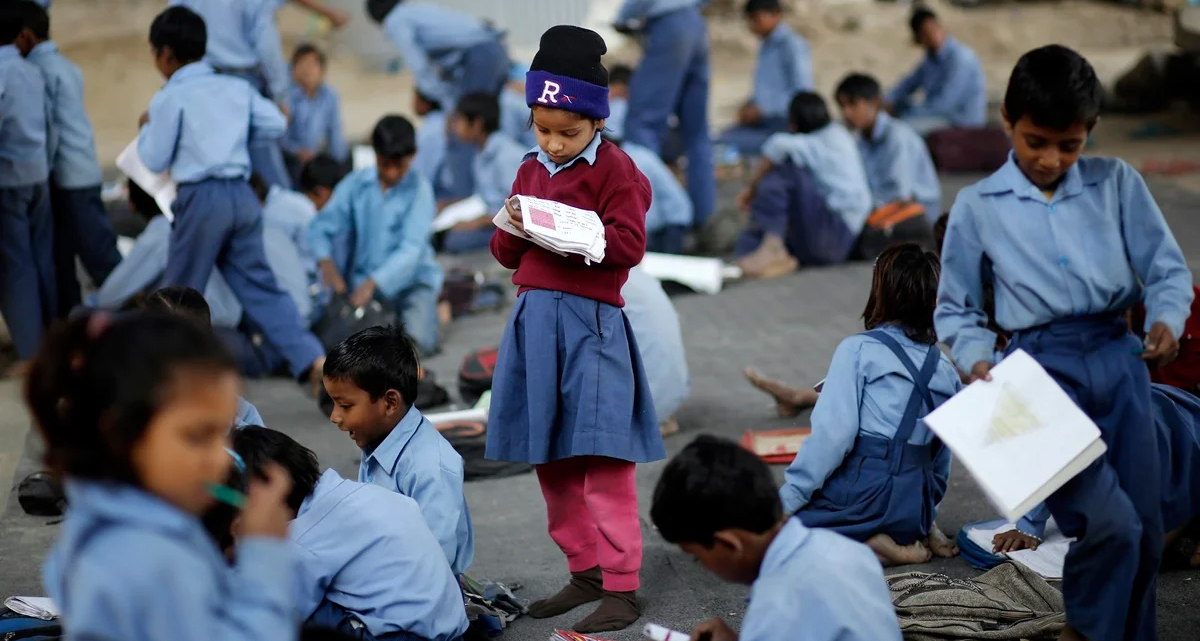
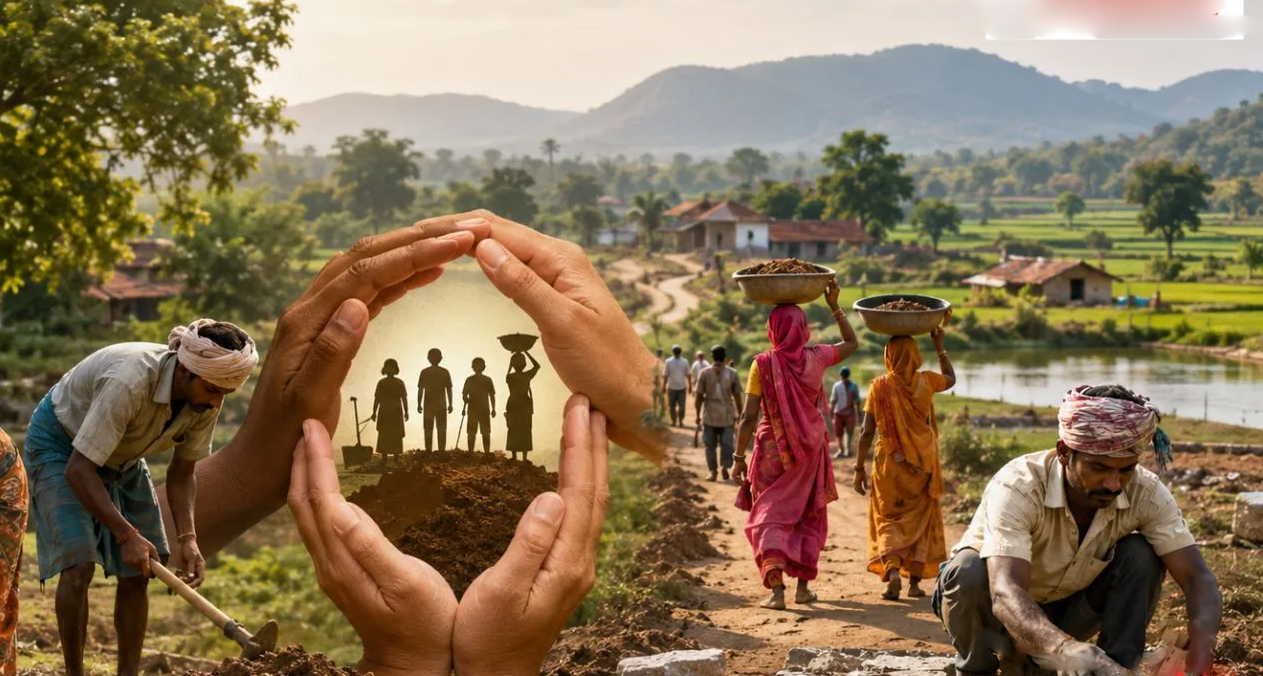
In a significant stride toward transforming India's rural landscape, the Ministry of Rural Development has announced a major expansion of the VB-G RAM G Scheme. By introducing 47 new permissible works, the total number of approved activities under the flagship program has increased from 328 to 375.
This strategic revision aims to strengthen rural infrastructure, enhance disaster resilience, promote eco-friendly practices, and generate sustainable local employment opportunities across villages nationwide.
Key Highlights of the Expanded Scheme
| Focus Area | Key Additions & Facilities | Impact & Objectives |
|---|---|---|
| Accessibility & Transport | Rural bus stands, parking sheds, guard rails on sloping roads, and ramps/stairs for Divyangjan (persons with disabilities). | Improves last-mile connectivity, enhances road safety, and ensures inclusive public spaces. |
| Ecological Restoration & Water Management | Filtration chambers for defunct borewells and Miyawaki dense plantation drives. | Recharges groundwater, prevents safety hazards, and rapidly restores local biodiversity post-disaster. |
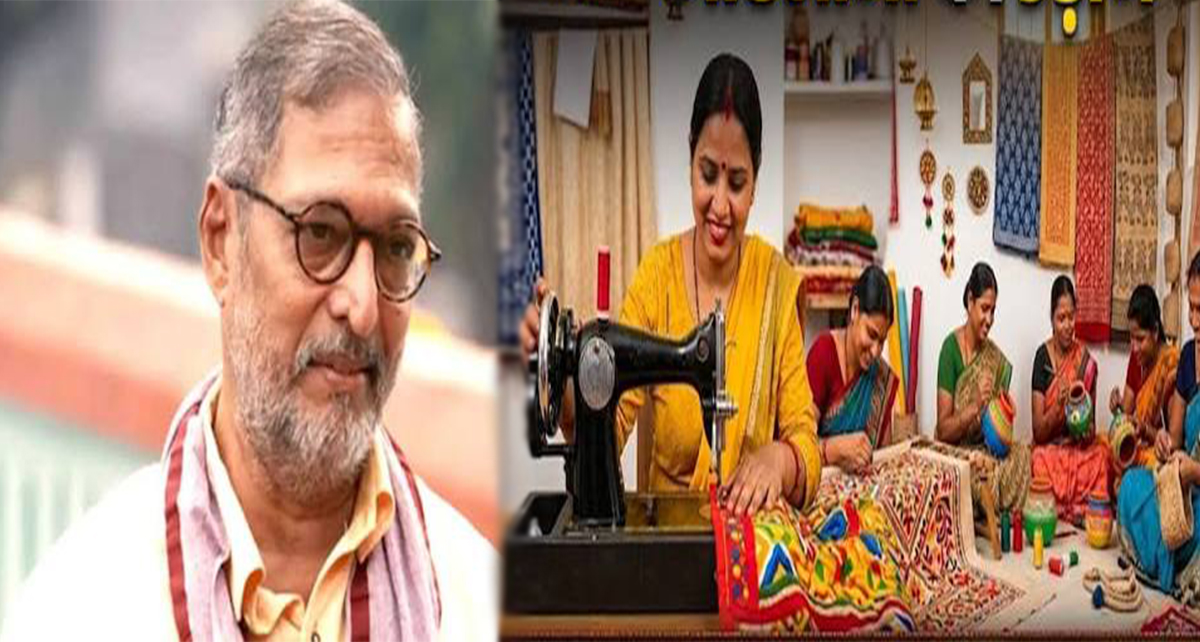
| Rural Economy & Livelihoods | Construction of processing units for mini flour mills, handlooms, and bamboo crafts. | Boosts local entrepreneurship, adds value to agricultural produce, and creates non-farm jobs. |
| Sustainable Waste Management | Hot-press biodegradable waste processing units. | Promotes clean villages (Swachh Gram) through eco-friendly waste recycling technologies. |
| Disaster Mitigation & Soil Conservation | Flood protection walls, soil/stone/gabion/RCC retaining walls, flat & high-land bench terracing, and stabilization ponds. | Protects vulnerable villages from landslides, erosion, and flash floods while conserving soil fertility. |
A Vision for Inclusive and Resilient Villages
The expansion of the VB-G RAM G Scheme reflects a holistic approach to rural development. By addressing accessibility alongside disaster management, the government is ensuring that infrastructure development goes hand-in-hand with environmental sustainability.
Inclusive Mobility: Integrating ramps, adapted staircases, and organized bus stands ensures that rural public infrastructure serves every citizen, including elderly residents and persons with disabilities.
Climate Resilience: With the introduction of Miyawaki forests and engineered retaining walls, villages will be better equipped to withstand the growing impacts of climate change and natural calamities.
Economic Empowerment: Local processing facilities—such as bamboo craft hubs and handloom units—empower artisans and small-scale entrepreneurs to process goods locally, retaining economic value within the village ecosystem.
By building durable assets and creating diversified employment, this initiative serves as a cornerstone for self-reliant and future-ready rural communities