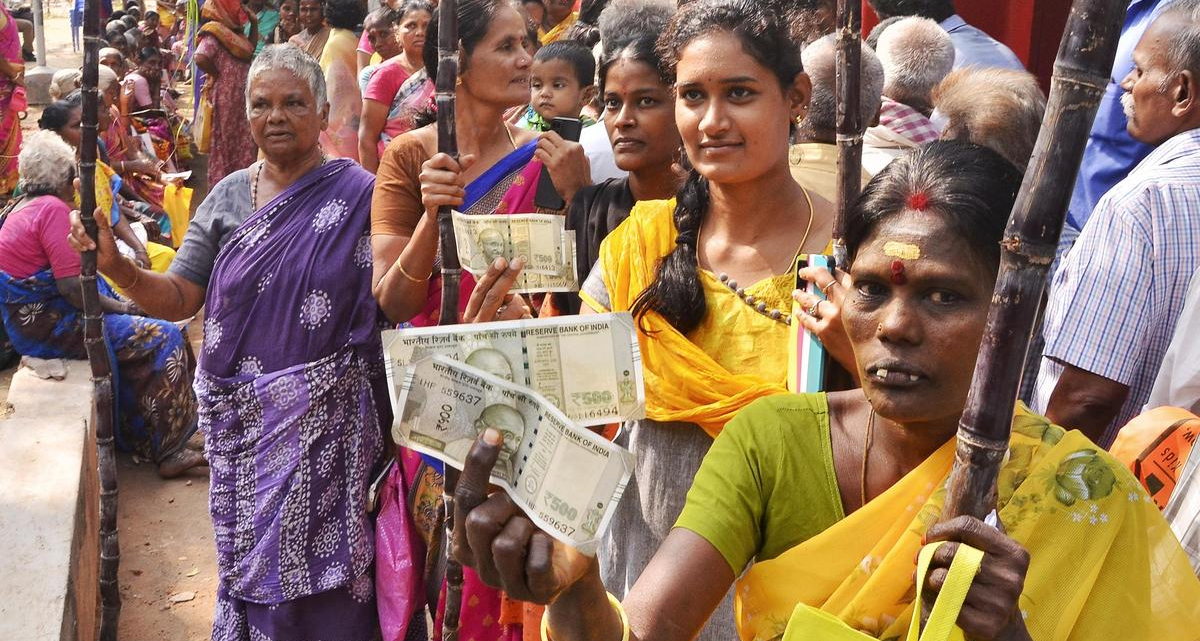
The Radical Currency of Trust: How Unconditional Cash Support is Transforming Tribal India .
In the remote hamlets of Maharashtra and Rajasthan, Project DEEP’s bet on direct capital and human agency is proving that freedom—not tied aid—is the true catalyst out of poverty
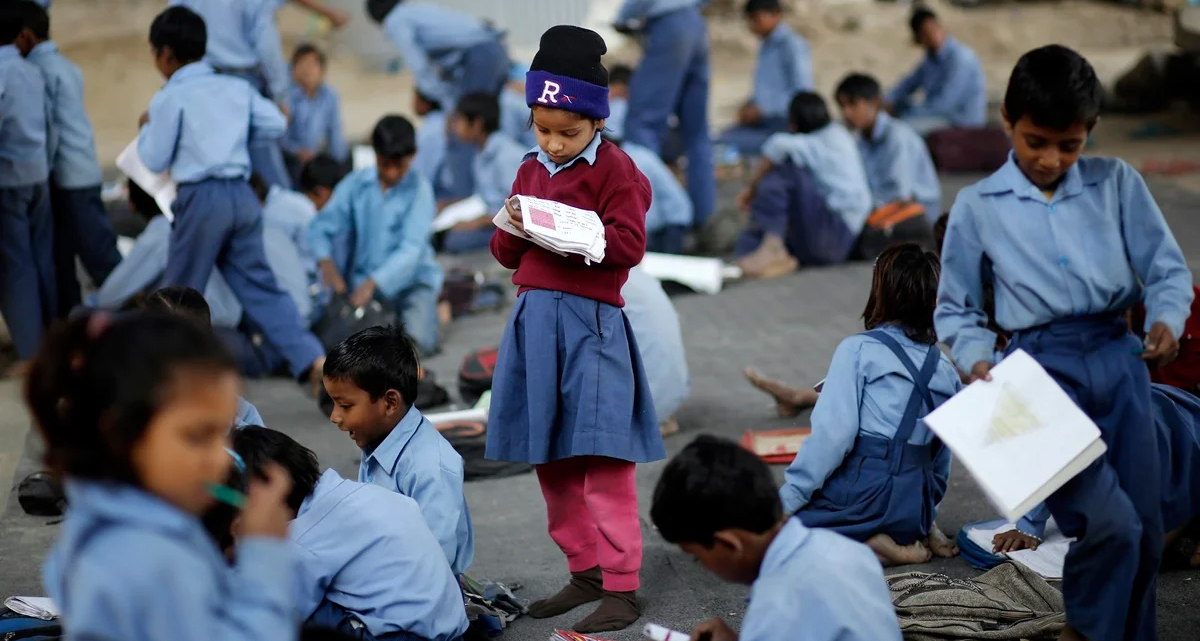
In the remote tribal hamlets of Maharashtra and Rajasthan, decades of empty promises had conditioned villagers to meet outsiders with quiet skepticism. Schools that never opened, government schemes that never arrived, and rights that lived only on paper had taught them caution. Sandip Deore of the Yung Foundation recalls the sentiment vividly: "Abhi tak waha sirf lene wale aaye hai, dene wale nahi" (Until now, people have just taken from them; nobody has come to give). Trust could not be demanded; it had to be earned step by step.
That is where Project DEEP (Devising an End to Extreme Poverty) began: not with grand declarations, but with quiet conversations to answer a radical question: What if we simply trusted people to shape their own path out of poverty?
The Spark That Started with ₹10,000
The project’s inspiration came when co-founder Pankhuri Shah, who transitioned from a corporate career to the social sector, watched a TED Talk by historian Rutger Bregman. His words stuck: "Poverty isn’t a lack of character; it’s a lack of cash."
Guided by an advisor’s recommendation to run a small ground test, Shah and her team took ₹10,000 to a community in Mumbai. The results challenged typical philanthropic assumptions:
One recipient launched a long-cherished vegetable cart.
Another renewed her daughter’s health insurance.
Others settled pressing medical bills or saved for essential personal needs.
"They don’t want luxuries; they just want a fair chance to start something," Shah notes. The experiment demonstrated that when trusted with financial agency, people naturally prioritize long-term welfare over short-term relief.
A Model Built on Capital and Accountability
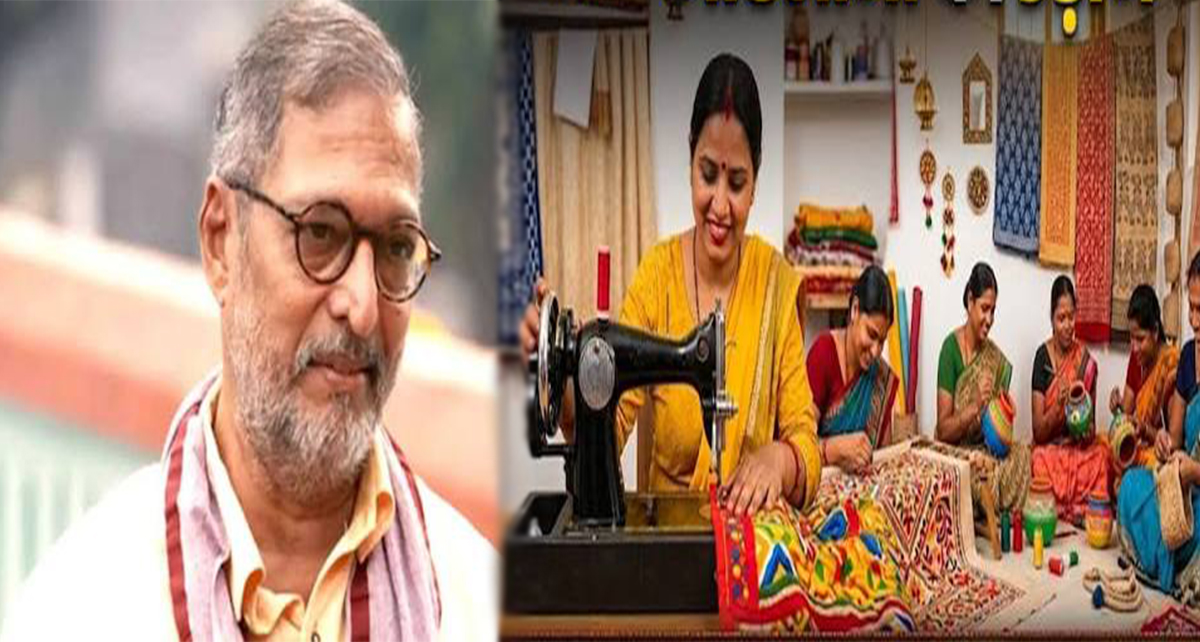
Co-founded by Shah, who leads research and programs, and Muzamil Baig, who leads partnerships and growth, Project DEEP has since scaled its model across rural networks. Working alongside grassroots partners like the Shram Sarathi Association in Rajasthan and the Yung Foundation in Maharashtra, the team bridges local trust deficits before transferring funds.
| Core Mechanism | Execution Framework |
|---|---|
| Capital Allocation | A direct, unconditional lump-sum transfer of ₹65,000 (roughly 70–80% of an average household's annual income). |
| Primary Beneficiary | Transferred straight to the bank account of the female head of household to foster systemic agency. |
| Current Footprint | Reached 800 families across 6 locations, directly impacting over 3,400 lives. |
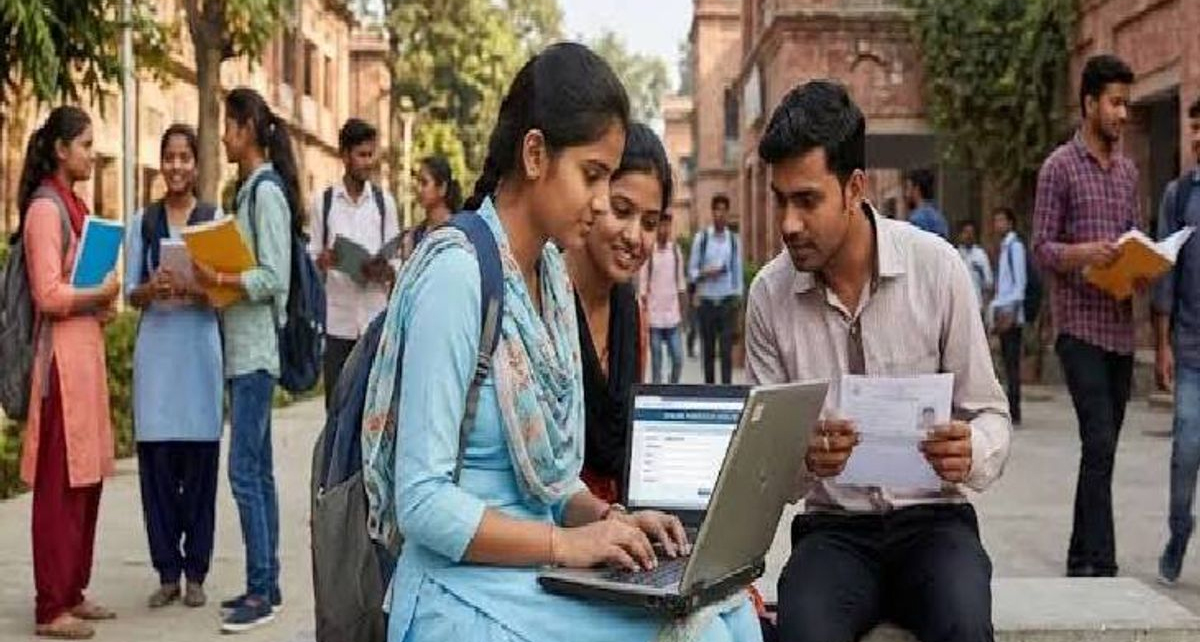
| Transparency Measures | Door-to-door surveys, digital banking enrollment, anti-fraud counseling, and printed receipts with official contacts. |
In Shelkui village (Nandurbar), local banking correspondent Bhaidaas helped calm fears when rumors circulated that the aid had hidden costs. "Villagers thought they would be asked to leave their homes," Bhaidaas recalls. Clear communication turned that initial mistrust into community participation.
From Financial Freedom to Social Dignity
The material and social impacts of direct capital transfers are already visible:
Agricultural Independence: In Nandurbar, all 102 participating families self-funded their agricultural season, bypassing high-interest local moneylenders for the first time in generations.
Essential Infrastructure: In Rajasthan, villagers like Ganga utilized their funds to drill borewells and install water pumps, securing stable irrigation.
Personal Dignity: Beyond financial returns, women report a fundamental shift in self-perception. "The first thing women tell us is that they can now go to local shops with their heads held high," says Shah.
Rethinking the Giving Dynamic
Backed by philanthropic partners such as Spectrum Impact, Forbes Marshall, BDO, Give, KV Mariwala Philanthropy Initiative, and the Mariwala Health Initiative, Project DEEP is addressing the "white space" in Indian philanthropy—a general reluctance to hand cash directly to people living in poverty.
By tracking progress through follow-up surveys at 3–4 months and 12 months, the project demonstrates that poverty is not a failure of individual potential, but a failure of financial opportunity. When aid shifts from top-down prescription to unconditional trust, lasting empowerment naturally follows.