Higher Education is a Public Trust, SC Mandates Nationwide Financial and Governance Audit of Private Universities
In a landmark verdict triggered by a student grievance at Amity University, the apex court sends a stern message against commercialization—demanding complete accounting, faculty workload disclosures, and administrative transparency within six weeks.
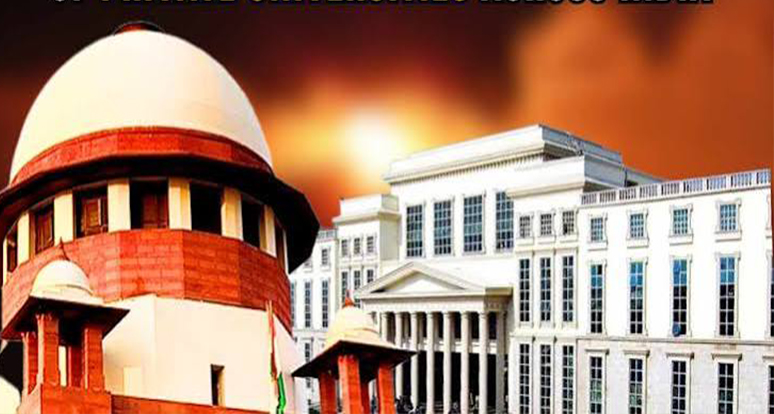
In a significant judicial intervention aimed at curbing the unchecked commercialization of higher education, the Supreme Court of India has reaffirmed that private universities exist to serve society through education, not to generate profits. Ruling that educational institutions cannot be treated as commercial, profit-oriented industries, a division bench comprising Justice Ahsanuddin Amanullah and Justice N.V. Anjaria directed all States and Union Territories to submit comprehensive audit reports of private universities operating within their jurisdictions within six weeks.
The judgment underscores a growing concern over governance standards, fee structures, faculty welfare, and institutional accountability across the nation’s rapidly expanding private higher education sector.
Key Mandates: What Private Universities Must Disclose
The Supreme Court has outlined stringent compliance requirements for the audit reports. All private higher education institutions across States and Union Territories must provide exhaustive details regarding their financial transactions, administrative practices, and academic operations:
Financial Transparency & Fee Utilization:
Exact details of tuition and other fees collected from students across all courses.
An itemized breakdown of how student funds were utilized and where surplus funds have been invested or allocated.
Faculty and Staff Governance:
Complete records regarding the recruitment, salary structures, and terms of employment for teaching and non-teaching staff.
Disclosures concerning land allocations received from government authorities and any statutory or tax exemptions granted to the institution.
Focus on Academic Integrity and Faculty Workload
Beyond financial scrutiny, the apex court has trained its lens on the internal academic mechanics of these institutions. Private universities are now mandatory required to report:
Teaching Hours & Class Coverage: The total number of teaching hours assigned to faculty members over the past academic year versus the actual number of classes conducted.
Alternative Arrangements: Contingency measures and arrangements implemented by the management in instances where scheduled classes were missed or unfulfilled.
Examination & Evaluation Protocols: Explicit details on who drafts examination question papers, who evaluates answer scripts, and the precise extent of management oversight in academic assessment procedures.
Background of the Case
The landmark directive stems from a matter involving Amity University, where a student filed a complaint alleging harassment during the process of updating her name in official university records.
When an inquiry committee informed the court that witnesses were failing to appear for statements, the Supreme Court issued strict directions to the university authorities and state officials to ensure full cooperation. Furthermore, the bench directed the Central Government to ensure the swift removal of all objectionable and defamatory posts directed against the student on social media platforms.
Concluding Insight: The Supreme Court’s directive marks a pivotal shift toward restoring accountability in India’s private education ecosystem. By subjecting fee allocation, land concessions, faculty welfare, and academic evaluation to strict judicial audit, the court has firmly established that while private enterprise may build classrooms, education remains a sacred public service—not an industrial commodity.